Last updated November 18, 2026
How Long Does Home Addition Contractor Take? Timelines and What to Expect
Clark County’s residential permit queue averaged 6 to 10 weeks for additions over the past year. That number should change how you read every contractor quote you get. If someone tells you a permitted addition in Spring Valley will break ground in two weeks, they’re either misinformed or planning to build without the permits your lender and your future buyer will eventually ask for. We’ve watched homeowners sign contracts built on that fiction and then spend four months wondering why nothing is happening. This guide gives you the honest version: a phase-by-phase timeline you can hold a contractor to in writing, the real causes of delay, and the two contract clauses that protect your schedule without turning the job into a fight. You’ll leave knowing what 200 square feet looks like versus 600, and why your final payment should not move until punch-list sign-off.
Quick Answer
A home addition in Spring Valley typically takes 6 to 10 months from signed contract to final inspection, and the addition itself is only part of that. Permit review alone usually runs 6 to 10 weeks with Clark County, design and engineering add 4 to 8 weeks before that, and actual construction runs 3 to 6 months depending on size and complexity. A small 200 square foot bump-out finishes faster; a 600 square foot structural addition with HOA approval takes longer. Nobody honest quotes you a single number without asking about all three.
Table of Contents
- The Phase-by-Phase Timeline for a Spring Valley Addition
- The Permit Queue Reality: How to Check Clark County Yourself
- What Actually Causes Delays vs. What Contractors Blame
- How Size, Structure, and HOA Stack Up: 200 vs. 600 Square Feet
- The Two Contract Clauses That Protect Your Schedule
- Substantial Completion: Legal Meaning vs. Practice
- Common Mistakes to Avoid
- Frequently Asked Questions
The Phase-by-Phase Timeline for a Spring Valley Addition
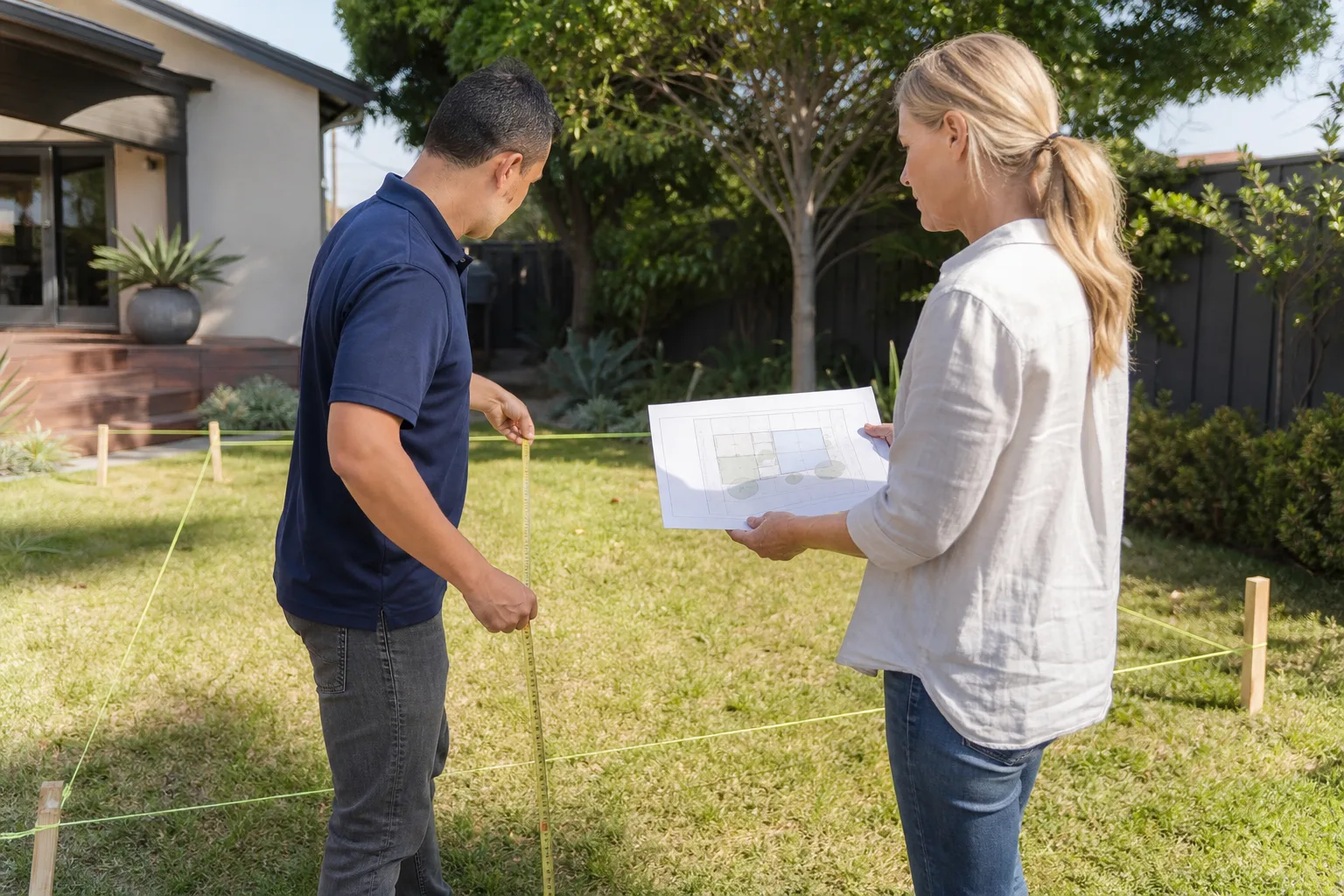
Here’s the sequence every permitted addition follows. The week ranges are what we see in Spring Valley specifically, working with Clark County’s review process and the trades that serve the area. Treat these as ranges to compare against your contractor’s schedule, not as promises a single job will land exactly there.
- Design and planning: 4 to 8 weeks. Architectural drawings, structural engineering if the addition opens a load-bearing wall or adds a second story, and the survey. This is where a homeowner’s indecision costs the most time. Every design change after permits are submitted resets the clock.
- Permit review: 6 to 10 weeks. Clark County’s residential queue. Plans get reviewed, kicked back with corrections, resubmitted. Plan for at least one correction cycle.
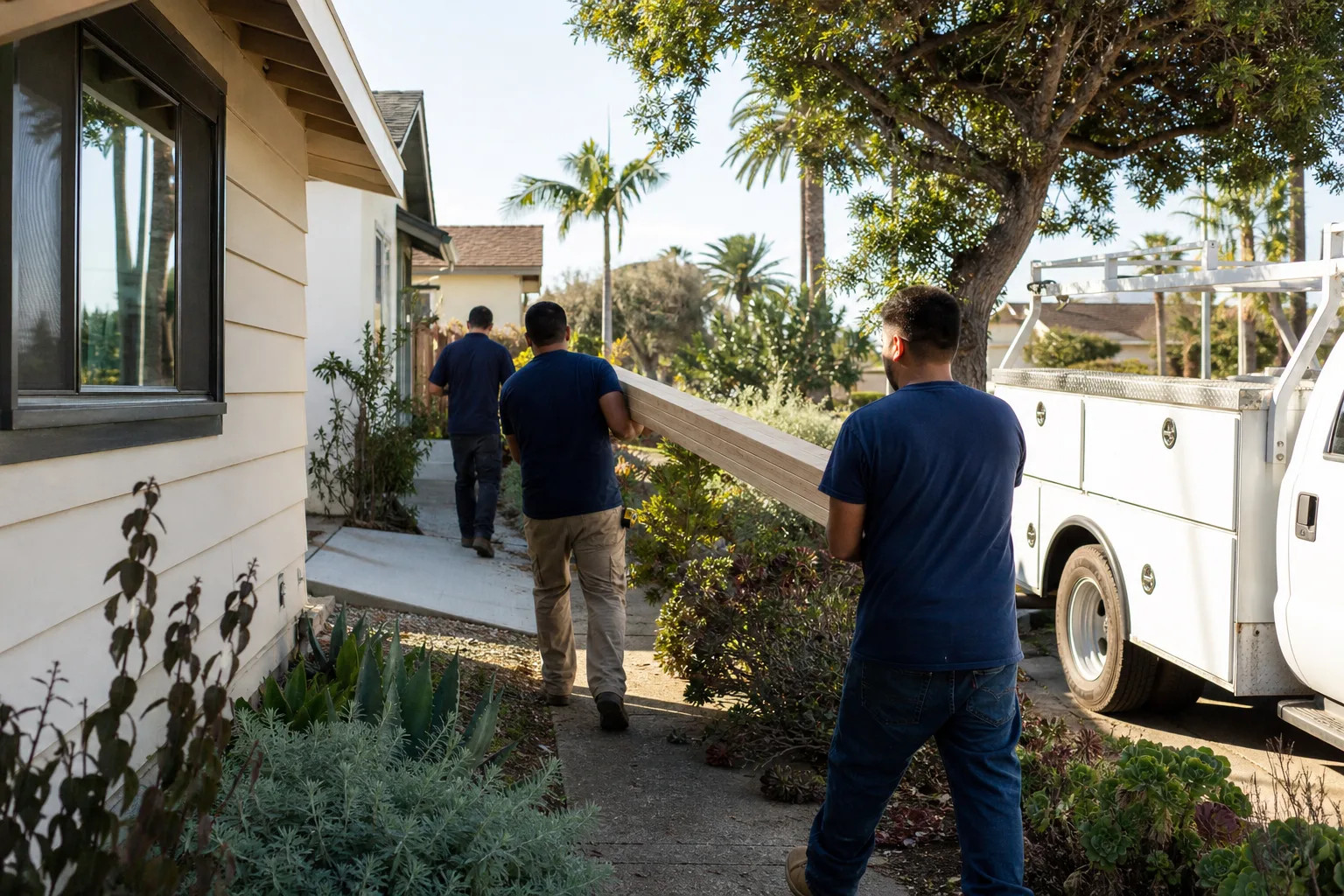
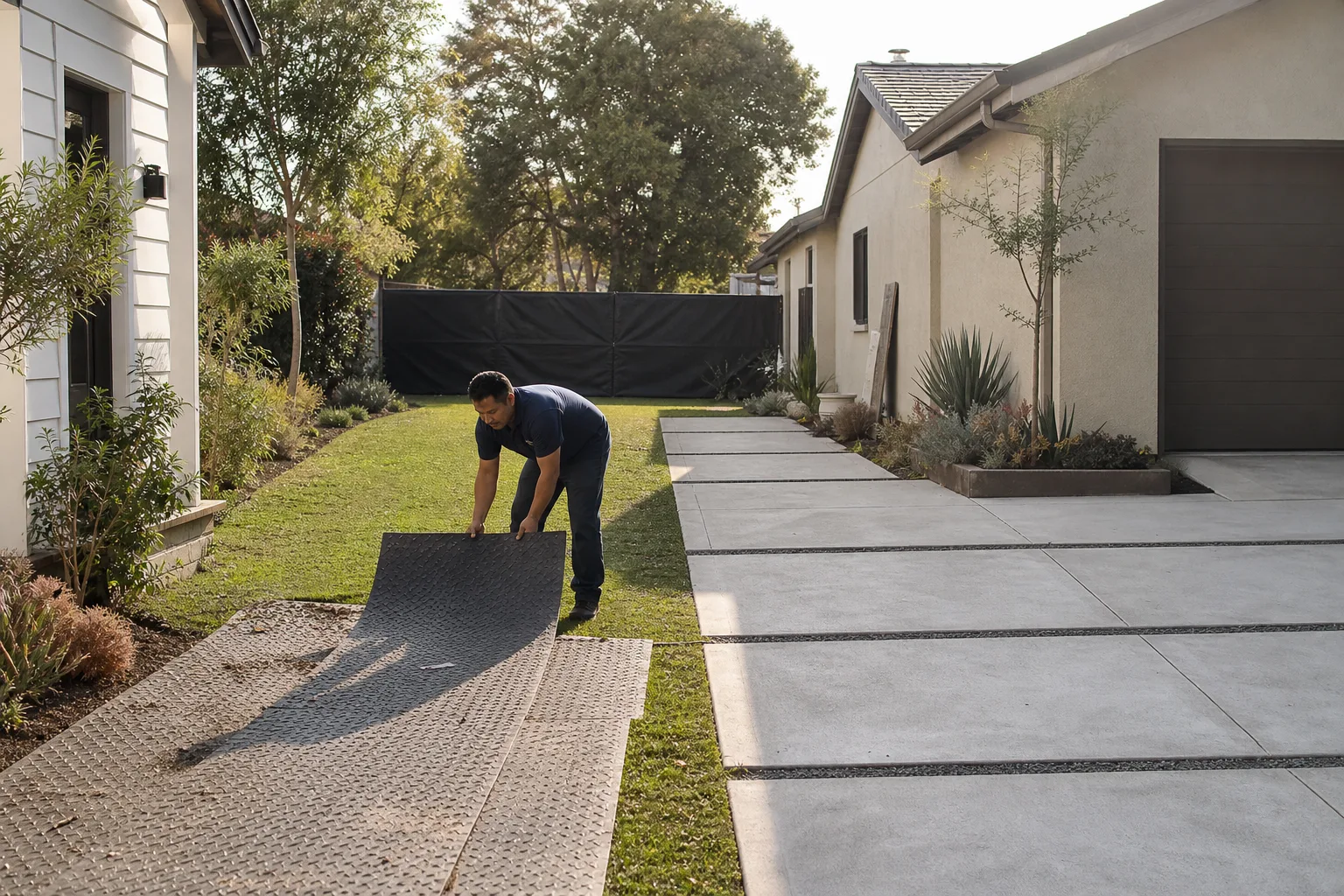
- Demolition and site prep: 1 to 2 weeks. Removing an existing slab, wall, or patio. Fast phase, but it’s where hidden conditions show up (old footings, unexpected utilities).
- Foundation and framing: 4 to 7 weeks. Slab or stem-wall work, then framing. Inspection gates sit between these steps.
- Rough-in (electrical, plumbing, HVAC): 2 to 3 weeks. All the mechanical work that goes inside the walls before they close up.
- Insulation and drywall: 2 to 3 weeks. Insulation inspection first, then hang, tape, and finish. Drywall mud needs time to cure, and in Spring Valley’s dry air that’s usually an advantage.
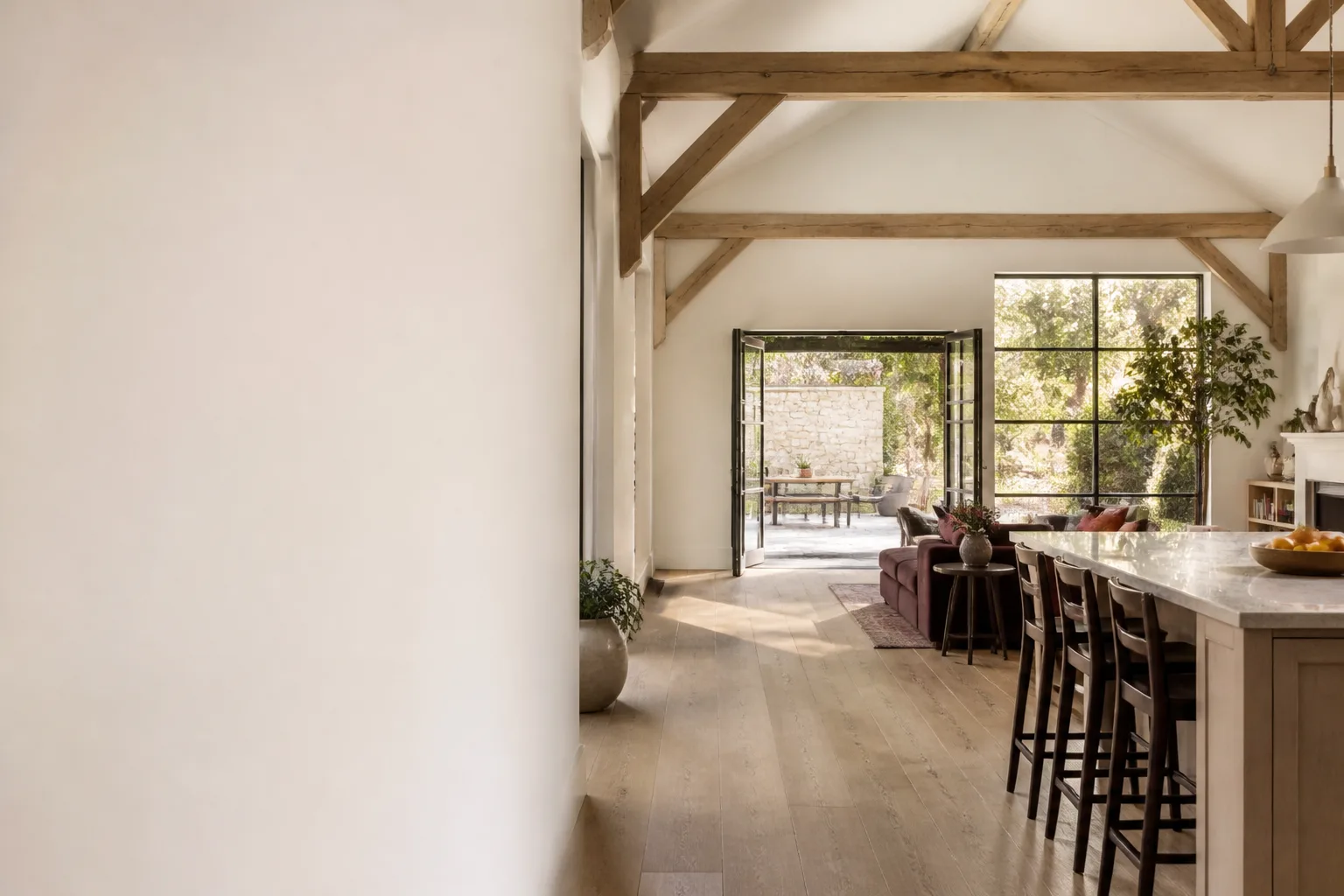
- Finish work: 6 to 10 weeks. Cabinets, flooring, paint, trim, fixtures, exterior siding (James Hardie fiber cement is the common call here for its heat tolerance), and final inspections.
- Punch list and final inspection: 1 to 3 weeks. The list of small fixes, then the county sign-off that closes the permit.
Add them up and you land in the 6 to 10 month window. The construction itself is the middle chunk. The front end, design and permits, is where most of the calendar risk lives, and it’s the part homeowners underestimate most.
The Permit Queue Reality: How to Check Clark County Yourself
You don’t have to take anyone’s word for the permit timeline. Clark County publishes current residential review times, and you can look them up before you sign anything. Here’s how to do it yourself:
- Go to the Clark County Department of Building & Fire Prevention site and find the current permit review timeline page. It’s updated regularly and shows average days to first review by permit type.
- Search for building permits near your address using the county’s online permit portal. Searching a few active residential additions in Spring Valley gives you a real sense of how long applications have been sitting.
- Note whether the permits you find are for additions or new construction. New single-family permits and addition permits can move through different queues.
- Write the number you find into your conversation with a contractor. “The county’s current review time is X weeks. How are you accounting for that in your schedule?” A contractor who can answer that clearly is worth listening to.
Here’s why this matters contractually: the county’s number belongs in your agreement as a written contingency. If the permit review runs 10 weeks instead of the 8 the contractor assumed, the schedule should absorb it with a stated adjustment, not a surprise. When we quote a Spring Valley addition, the permit phase is its own line with its own window, and the written price you get before work starts reflects the review time we can see on the county’s page that day.
What Actually Causes Delays vs. What Contractors Blame
Ask any homeowner who’s been through an addition and they’ll tell you about delays. Rarely will they tell you what actually caused them. The gap between the two is where trust dies.
What genuinely causes delay in Spring Valley:
- Design changes after permit submission. The single biggest one. Every change means corrected drawings and resubmittal.
- Hidden site conditions. Old footings under a slab, a utility line not on the survey, soil issues in parts of the valley that need re-engineering.
- Inspection scheduling backlogs. The county has to show up, and sometimes the window is longer than the crew expected.
- Material lead times. Windows, specialty doors, and some fixtures still have weeks-long backorders depending on the brand.
- HOA architectural review. If your neighborhood has a committee, that approval can run parallel to or longer than the county’s.
- Trade scheduling. Nine trades in sequence – one that doesn’t show on its day pushes everyone behind it.
What gets blamed that shouldn’t: “weather” (Spring Valley’s build season is nearly year-round; extreme heat slows roof and exterior work but rarely by weeks) and “the county” on items that weren’t actually submitted yet. When a contractor says ‘the county is holding us up’, ask to see the permit record. It’s public. The record tells you exactly when the application went in and where it sits.
How Size, Structure, and HOA Stack Up: 200 vs. 600 Square Feet
Size alone doesn’t tell you the timeline. Size plus structural complexity plus approval layers does. Here’s what those variables look like across two common scenarios in Spring Valley:
- 200 square foot bump-out (single story, no load-bearing change): design 3 to 5 weeks, permit 6 to 8 weeks, construction 8 to 12 weeks. Often used for a primary bath extension or a bigger kitchen. HOA approval may not apply.
- 600 square foot addition (may involve load-bearing walls, possible second story): design 6 to 8 weeks (structural engineering needed), permit 8 to 10 weeks (more review cycles), construction 14 to 20 weeks. HOA review adds 4 to 8 weeks if your neighborhood has one.
- Garage conversions and attached ADUs: lighter permitting in some cases, but they carry utility and egress rules of their own. This is where a specialist like our Garage Conversion Contractor in Spring Valley work usually makes more sense than general additions.
The size-to-timeline relationship isn’t linear. A 200 square foot job that requires a load-bearing wall to come down can run longer than a 400 square foot bump-out that doesn’t. Structural complexity, not square footage, is the bigger driver. And the HOA layer is one that general contractors routinely forget to build into their schedule, which is exactly how a well-planned Spring Valley addition ends up starting in spring instead of fall. If the structure is really an accessory dwelling unit – a self-contained living space with its own kitchen and bath, which is exactly what the word ‘lodge’ in Lodgewick points at, a small house on a larger property – the planning and permit path belongs with the ADU Builders in Spring Valley rather than a generic addition contractor.
The Two Contract Clauses That Protect Your Schedule
You don’t need a lawyer’s contract to keep an addition on schedule. You need two clauses, written plainly, that a reputable contractor will agree to without a fight. These are the two we include in every project we run, and any homeowner on a Spring Valley addition should ask for them:
- A written permits-and-review timeline. The contract states the expected permit review window (based on the county’s current published time) and commits to submitting within a stated number of days of the signed design. If the county’s review runs past the window, the schedule adjusts by the overage, documented in writing. This is not a penalty clause. It’s an honest accounting of time you and the contractor both can see coming.
- A written change-order process with pricing first. Any change after the contract is signed requires a written change order with a price attached before the work proceeds. No verbal changes. This clause protects your schedule because it forces design changes into a documented step instead of an ad-hoc decision that slows the whole job. It also protects your wallet, because the change order price gets agreed to before the work starts.
Neither clause is adversarial. They’re the same starting commitments we put in writing for every job: the price before the work starts, the arrival window you can hold us to, and the guarantee on paper.
What ‘Substantial Completion’ Means Legally vs. in Practice
Most contracts contain a phrase like “substantial completion.” It sounds like “done.” It never is.
Legally, substantial completion means the addition is usable for its intended purpose and the owner can occupy it, even though a list of minor items remains. It’s the point where final payment is generally due under most construction contracts.
In practice, that “minor items” list – the punch list – is where a job can stall for weeks or months. A light fixture that doesn’t line up. A door that sticks. Trim that needs finishing. Left unattended, these small things collect until a homeowner is chasing a contractor who has already moved on.
Here’s the single most important schedule protection you have: your final payment should not release until the punch list is signed off by you, not just the contractor. Ask for a written holdback in your contract – a portion of the final payment released only when the punch list is signed and the final inspection passes. This is one reason we schedule the return visit as part of every project, not as an afterthought. If something fails within the 365-Day Done Right Promise period, we come back and make it right, and that commitment is on paper from the beginning.
Common Mistakes to Avoid
- Signing a contract with a single start date and no permit timeline. “We start in two weeks” is a fiction on any permitted addition. Ask for the permit window in writing.
- Changing the design after permits are submitted. Every change here resets review. Lock the design before the county sees it, or accept the added time in writing.
- Forgetting the HOA architectural review entirely. Some Spring Valley neighborhoods require HOA approval before or alongside county approval. Skipping this step adds weeks later, not at the front.
- Releasing final payment on verbal “we’re basically done.” Hold the final draw until the punch list is signed and the final inspection passes. No exceptions.
- Not checking the county’s current permit queue before signing. It’s public. A five-minute search gives you a real number to hold a contractor to.
- Choosing a contractor who won’t put the price and the schedule in writing. If they can’t commit on paper to the price before work starts and the arrival window, they can’t be held to anything.
- Letting material choices slide to the last minute. Window and specialty door lead times can sink a finish phase. Pick those early, during design.
When to Call a Professional
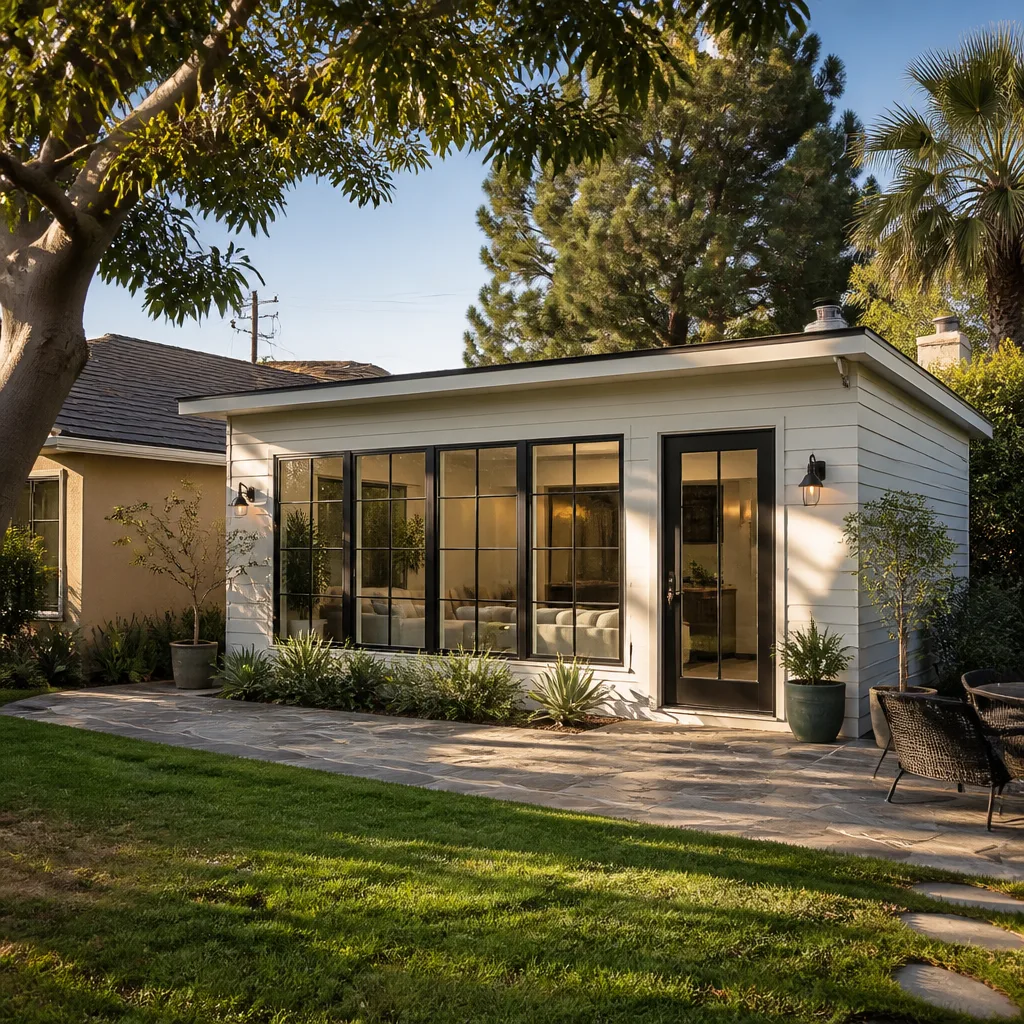
A home addition involves structural work, permits, and inspections that are genuinely dangerous to shortcut and genuinely expensive to get wrong. If your project touches a load-bearing wall, needs new electrical service, involves a gas line to the new space, or requires working from height on the roof, call a licensed professional. Those are not DIY tasks. The same goes for anything that requires county sign-off – you’ll need a licensed contractor on the permit. For an addition or an ADU (accessory dwelling unit, a self-contained living space on your lot) in Spring Valley, get a written price before any work begins and a schedule you can hold someone to. Lodgewick ADU Builders Spring Valley offers free estimates in Spring Valley. Call (844) 780-4284 and we’ll walk you through the phase timeline for your specific project.
Frequently Asked Questions
Plan for 6 to 10 months from signed contract to final inspection for most additions in the Las Vegas area, including Spring Valley. That’s design (4 to 8 weeks), permit review (6 to 10 weeks), and construction (3 to 6 months) stacked together. A smaller 200 square foot job can finish in 4 to 6 months. Call (844) 780-4284 for an exact quote – estimates are free.
It shouldn’t. A written price before work starts, with any change documented in a written change order before the work proceeds, is the standard you should insist on. If a contractor can’t commit to that, the risk of a price change at the door is real. We put the price in writing before any work starts, every time.
Yes – every permitted addition requires a licensed contractor on the permit, and the permit timeline is built into your schedule in writing. We check Clark County’s current review times and give you that number before you sign. If you ever want to verify permit status yourself, the county’s portal is public.
A design change after permits are submitted resets review and adds weeks, sometimes more than a month, to the overall timeline. That’s why locking the design before submission is the single biggest schedule protection you have. Any change after signing should go through a written change order with a price attached.
Demolition and site prep is typically the fastest phase, usually 1 to 2 weeks in Spring Valley. Finish work is the longest because it’s where cabinetry, flooring, paint, trim, and fixture installs stack up. Window and door lead times can stretch finish work, so order those during design, not after framing.
Under our 365-Day Done Right Promise, if the work fails within a year, we come back and make it right at no charge, backed by a written guarantee. That commitment is in writing on every project before work begins. Ask any contractor where their guarantee lives in the contract before you sign.
The Bottom Line
A realistic home addition in Spring Valley takes 6 to 10 months from signed contract to final inspection, and the honest phase breakdown splits that into design (4 to 8 weeks), permit review (6 to 10 weeks), and construction (3 to 6 months). The variables that move the number aren’t mysterious: design changes after submission, structural complexity, and HOA layers push the schedule out; a clean permit application and early material choices pull it in. The protection you need is simple – a written price before work starts, the permit window in your contract, and final payment held until punch-list sign-off. That’s what lets you hold a contractor to a timeline instead of guessing. If you’re a homeowner weighing an addition or an ADU on your lot, the best next step is a straight conversation with a written number at the end. Call (844) 780-4284 for a free estimate, or take a look at the full Lodgewick ADU Builders Spring Valley home page and the Home Addition Contractor in Spring Valley section for the project types we run most often.
Written by the team at Lodgewick ADU Builders Spring Valley.