Last updated November 18, 2026
DIY vs Professional ADU: The Spring Valley Homeowner’s Decision Guide
Nevada lets an owner-builder pull permits for an accessory dwelling unit. Clark County then asks you to sign an attestation that you won’t sell the home within one year of final inspection. Nobody reads that line until the house is already half-built and life has other plans. That gap between “the state allows it” and “the county ties your hands” is where the DIY-versus-professional question actually lives, and it has almost nothing to do with whether you’re handy. This guide covers what you can legally build yourself in Spring Valley, what a failed inspection truly costs, and how lenders and buyers treat an owner-built ADU later. No pep talk either way. Just the ledger.
Quick Answer
In Spring Valley, you can legally self-manage an ADU build and perform finish work like demolition, insulation, painting, and landscaping under a Clark County owner-builder permit. You cannot legally wire the electrical, run the plumbing, or install HVAC yourself, and any owner-builder permit carries a one-year resale restriction after final inspection. Most homeowners lose money on a fully DIY ADU through failed inspections, mobilization to fix unlicensed trade work, and lower appraised value, which makes a hybrid approach the only DIY version that pencils out.
Table of Contents
- What Does Nevada Law Actually Let You Build Yourself?
- What Does a Failed Inspection Really Cost in Spring Valley?
- How Does an Owner-Built ADU Affect Resale and Appraisal?
- The Partial-DIY Model: What Pays Off and What Doesn’t
- What a Written Guarantee Covers on a Hybrid Project
- How a Licensed Build Actually Runs, Step by Step
- What Does an ADU Cost in Spring Valley?
- Common Mistakes to Avoid
What Does Nevada Law Actually Let You Build Yourself?
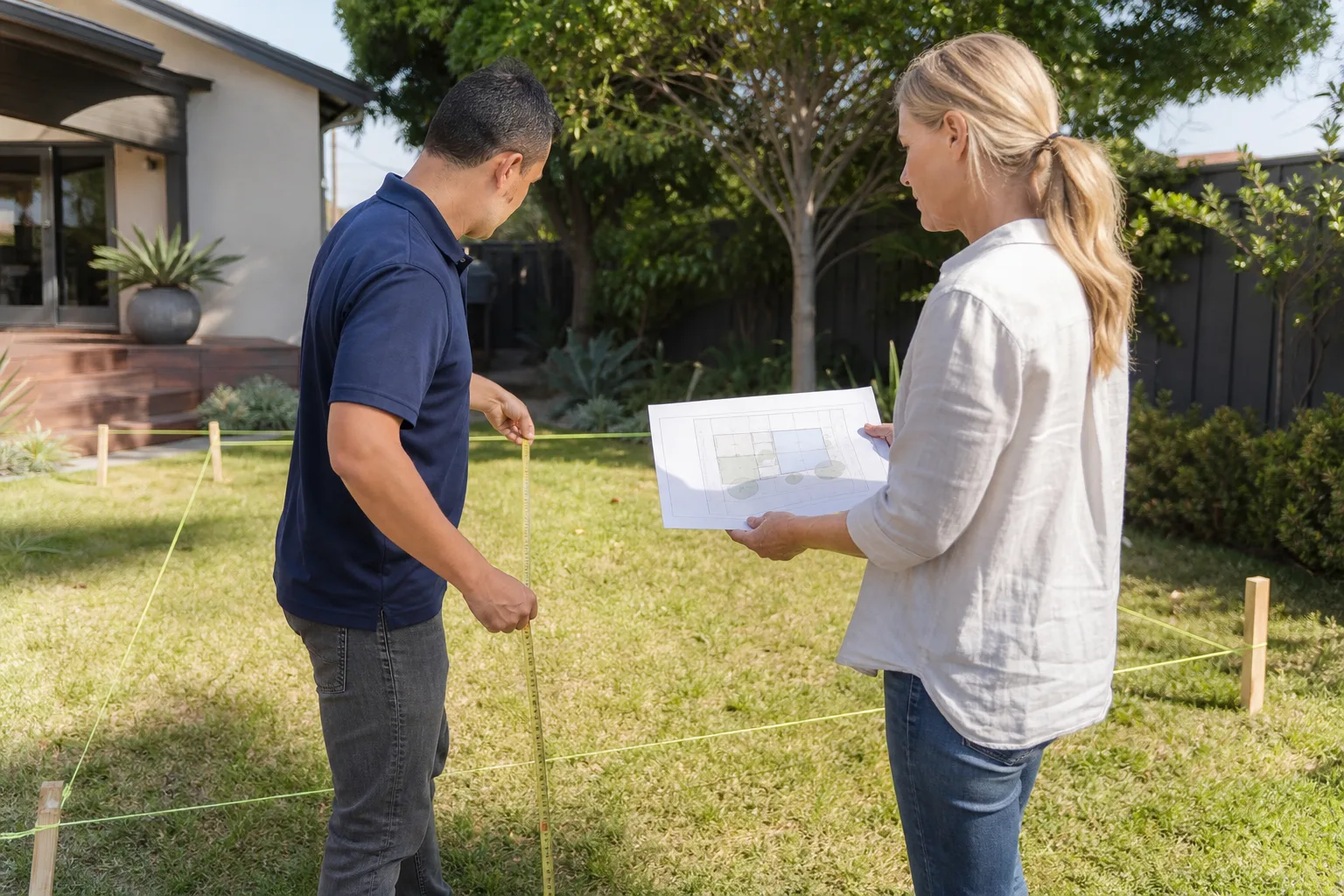
Nevada’s owner-builder exemption lets a homeowner act as their own general contractor on their primary residence, which means you can hire licensed subcontractors, schedule inspections, and pull the permit under your own name. It does not let you personally perform work in the licensed trades. Electrical, plumbing, and mechanical (HVAC) work requires a licensed Nevada contractor, full stop. Clark County enforces this on inspections, and a self-wired panel is one of the fastest ways to fail a rough-in.
Here’s the practical split in Spring Valley:
- Licensed trades only: electrical rough and finish, panel work, plumbing supply and drain lines, gas lines, HVAC installation and ductwork, structural framing sign-offs, waterproofing inside wet areas.
- Owner-builder capable: demolition and haul-away, framing labor under an engineer’s stamped plans, insulation, drywall hanging and finishing, interior painting, flooring, cabinet installation, landscape finish, fencing.
- Gray zone: concrete pour prep, roofing tear-off, stucco. Some jurisdictions allow it, some insist on a licensed sub. Spring Valley is Clark County unincorporated, so you follow county rules, not city of Las Vegas rules.
One more thing: the owner-builder attestation. That one-year resale restriction is not a rumor. It’s a signed document in the county record. If a job transfer, a divorce, or an ailing parent has you listing the house at 11 months, you’re negotiating with a buyer’s attorney about it. We’ve seen transactions hold up for months over this alone.
What Does a Failed Inspection Really Cost in Spring Valley?
A failed inspection three weeks into a DIY electrical rough-in doesn’t just cost the re-inspection fee. It costs you the entire calendar. Here’s the real math we’ve watched unfold in Spring Valley on a typical attached-ADU build:
- Re-inspection fee: modest on its own, often under $200 depending on the correction scope.
- Licensed electrician mobilization: a licensed contractor has to open walls, re-run cable, re-staple, and add junction boxes to code before the inspector returns. That’s a full day of labor plus materials, easily $1,200 to $3,500 on a failed rough-in.
- Drywall rework: if you closed up the walls ahead of sign-off, add another $800 to $2,000 to open and re-close.
- Timeline collision: the electrician you need is now booked five to six weeks out because you’re calling mid-project, not at the start. A two-week DIY phase becomes an eight-week delay.
- Inspection slot congestion: Clark County runs a scheduling queue. Miss your window because your sub isn’t ready, and you’re behind every project already on the books.
In Spring Valley’s summer heat, delays also mean material waste. Framing lumber that sits through a monsoon week warps. Stored drywall picks up moisture. That failure cost is no longer $200, it’s the price of restarting a phase. The pattern repeats often enough that we built our scheduling around it: our licensed trades hit their rough-ins in the same sequence, so an inspection window doesn’t slip.
How Does an Owner-Built ADU Affect Resale and Appraisal?
Lenders treat an owner-built ADU differently from a contractor-built one. On a refinance or a sale, the appraiser checks the permit record. If the ADU was built under an owner-builder permit with no licensed general contractor of record, many underwriters attach a lower contributory value to it, or ask for the build file: stamped plans, inspection sign-offs, and receipts for trade work. If any of those is missing, the appraised square footage may not count toward the value at all.
Buyers’ agents do the same check. A fully documented contractor-built ADU builds confidence. A DIY ADU with holes in the paper trail invites line-item renegotiation, and in Spring Valley we’ve watched a $60,000 owner-built garage conversion get knocked down $25,000 at the negotiation table because the electrical sign-off file didn’t exist.
Three things make the biggest value difference:
- A permit file that closes cleanly with all inspection sign-offs transcribed on the record.
- A written workmanship guarantee that transfers or clearly runs alongside the property, because buyers want to know someone answers the phone if something fails after they move in.
- Documented trade work from licensed Nevada contractors on electrical, plumbing, and HVAC, even on a mostly DIY build.
If you want to talk through what your resale position looks like before you pull a permit, that’s a conversation we have often. Our Garage Conversion Contractor in Spring Valley team sees these files routinely.
The Partial-DIY Model: What Pays Off and What Doesn’t
The only DIY model that survives contact with Clark County inspections is the hybrid one: you act as your own general contractor or owner’s representative, perform the unlicensed scopes yourself on weekends, and keep a licensed crew on the trades. Here’s what typically saves money and roughly how much, based on Spring Valley builds we’ve walked through:
- Demolition and haul-away: $1,500 to $3,500 on a garage conversion. Doable yourself with a rented dumpster. Also the least risky self-performed scope.
- Insulation: $800 to $2,500 for a typical ADU envelope. Doable, but it must be done right for the energy inspection to pass.
- Interior painting: $1,200 to $3,000. Low risk, high visible finish, no permit impact.
- Landscaping and finish grading: $1,000 to $4,000. Big savings, no inspection exposure, and you get to design the yard how you actually use it.
- Framing labor under engineered plans: savings possible, but you need to pass the framing inspection, and Spring Valley’s wind exposure means the inspector is looking at every strap and tie. Recommend pricing it with a licensed crew instead.
Where the savings evaporate: electrical, plumbing, HVAC, and anything touching the slab or structural tie-ins. These are the trades that fail the most often and cost the most to redo. A partial-DIY project that keeps those four on a licensed contractor’s schedule is the version that reaches final inspection without a delay penalty. In our experience, that model saves Spring Valley homeowners 12 to 22 percent of full-contract cost while keeping every inspection pass clean and every trade under a written guarantee.
What a Written Guarantee Covers on a Hybrid Project
This is where most homeowners get caught. A written workmanship guarantee only covers work performed by the party issuing it. If your general contractor hands you a 365-Day Done Right Promise on the whole build, but you personally hung the drywall, patched the insulation, and painted the ceiling, the guarantee generally excludes defects in those scopes. It covers the licensed trades and any finish work the crew installed. It does not cover a crack you caused yourself.
What a written guarantee should say, in plain terms:
- Which scopes are covered (a line-item list, not “any defects”).
- How long the term runs (we promise 365 days after completion, and we put it in writing before work begins on every project).
- What a return visit looks like and whether it costs anything (our return visit is free if the work fails within the 365-day period).
- What voids it (unlicensed tampering, owner-performed rework on covered scopes, unreported damage).
On a hybrid build, get the guarantee in writing before any work starts. That single page is what wins you a clean appraisal later, because the appraiser sees a warranty of record rather than a verbal promise. If you want to build the whole thing under one roof with the guarantee covering everything, our ADU Builders in Spring Valley team handles full-scope builds, and the paper trail stays clean end to end.
How a Licensed Build Actually Runs, Step by Step
For comparison, here’s what a full professional build looks like in Spring Valley, from permit to final inspection. Every phase belongs to a licensed contractor who signs off on the record:
- Site and zoning check. Confirm lot setbacks, height limits, and whether a JADU (junior unit inside the main house) fits better than a detached ADU.
- Design and stamped plans. Structural engineer stamps plans, and the prefab or site-built option gets chosen. On prefab, brands like Cover or Dvele can shorten the timeline considerably because the modules are factory-built to spec.
- Permit submittal. Filed under a licensed general contractor’s name, not yours.
- Utility trenching and slab or foundation. Inspected before anything goes up.
- Framing and rough trades. Rough electrical, plumbing, and HVAC signed off by licensed subs.
- Insulation and drywall. Energy inspection signed off here.
- Finish work. Paint, flooring, cabinets, fixtures, HVAC startup.
- Final inspections. Electrical, plumbing, mechanical, building. All sign-offs on the county record.
- Certificate of occupancy. The file closes with a documented build, and the ADU appraises at contributory value.
That sequence also matches our Spring Valley build calendar: three-week trade scheduling, real arrival windows confirmed in writing, and a clean job site at every phase. If a phase is delayed, the guarantee stays in place and we make it right. If the project is a home addition rather than a standalone ADU, our Home Addition Contractor in Spring Valley team runs the same sequence with the same promise.
What Does an ADU Cost in Spring Valley?
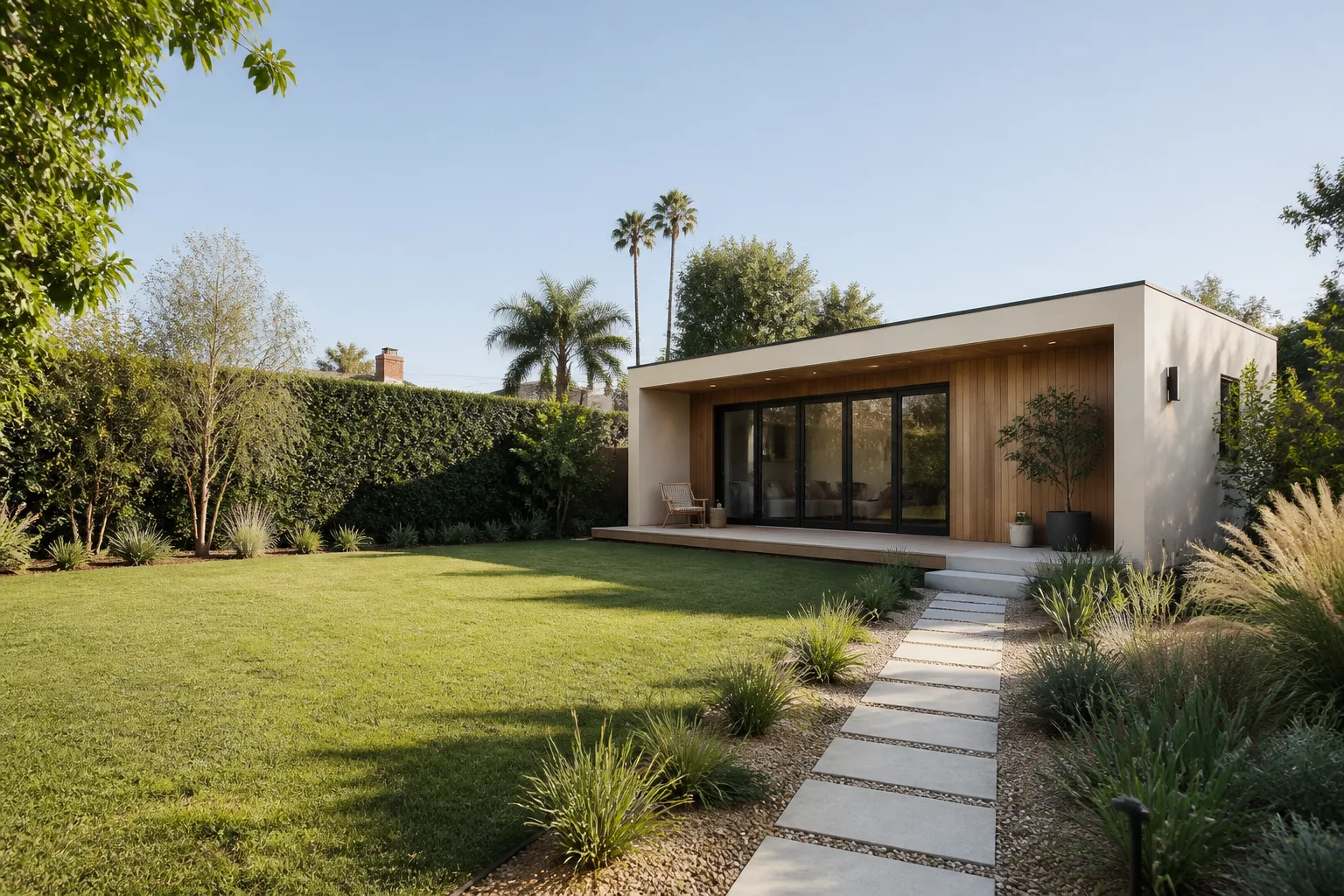
A realistic budget for a Spring Valley ADU runs $95,000 to $180,000 for a permitted, contractor-built unit, or $55,000 to $95,000 for a hybrid DIY build where you self-perform the demolition, insulation, paint, and landscaping. Detached site-built runs higher; garage conversion runs lower. Prefab units from brands like Boxabl or Mighty Buildings can land in the middle and often meet code with less inspection friction, since the factory handles more of the work under one spec.
Line-item ranges we see on a typical Spring Valley build:
- Design and engineering: $4,500 to $9,000
- Permits and county fees: $1,800 to $4,500
- Foundation or slab work: $9,000 to $18,000
- Framing and shell: $22,000 to $45,000
- Electrical (rough and finish): $8,000 to $16,000
- Plumbing: $6,500 to $14,000
- HVAC: $5,500 to $11,000
- Insulation and drywall: $6,500 to $13,000
- Finish work (paint, flooring, cabinets, fixtures): $12,000 to $28,000
- Landscape and final grading: $2,500 to $7,000
If you want a written line-item price for your specific lot before you commit to anything, that’s exactly what our Lodgewick ADU Builders Spring Valley home team provides on every project. No price changes at the door.
Common Mistakes to Avoid
- Skipping the one-year attestation. Clark County has you sign that you won’t sell within a year of final inspection. If you might relocate, plan for it before you break ground, not after.
- Self-performing licensed trades. Electrical, plumbing, and HVAC are not yours to run under an owner-builder permit in Nevada. Every job we get called in to fix started with a self-wired subpanel or a self-plumbed drain line.
- Closing up walls before rough-ins pass. Inspectors can’t sign off on concealed work. This is the single most expensive DIY mistake we see in Spring Valley because it doubles your drywall cost.
- Not budgeting for the correction phase. If you plan for a 10 percent contingency on DIY, double it. Re-inspection, mobilization, and lost schedule add up fast.
- Underestimating Spring Valley’s summer build window. Concrete pours and stucco work get miserable in July and August. Scheduling a DIY build across those months stretches the job and increases rework.
- Getting a verbal guarantee instead of a written one. A handshake is not a warranty. Ask for the term, the covered scopes, and the return-visit terms in writing before work begins.
- Forgetting the appraisal paper trail. Keep every inspection sign-off, every trade invoice from a licensed sub, and every stamped page. The file is what the appraiser actually reads.
When to Call a Professional
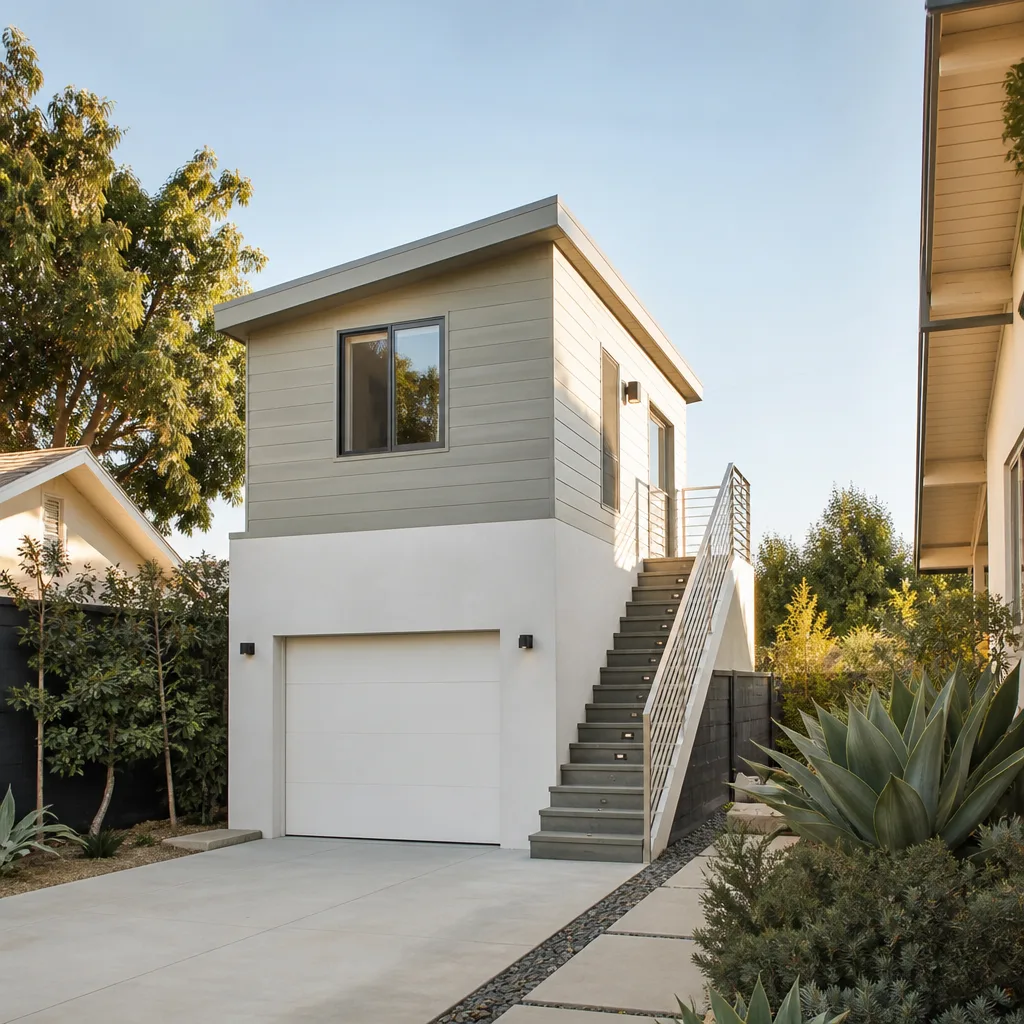
Call a professional if the plan involves any electrical panel work, any new plumbing or gas line, or any HVAC installation. Also call if the timeline matters at all, since DIY scheduling collisions cost more than the labor saved. And call if you might sell the home within two years, because an owner-builder permit complicates the transaction in ways that a licensed contractor’s name on the permit simply doesn’t. If your project sits inside a garage or attached structure where framing, waterproofing, and inspection sequencing all interact, having a single contractor own the sequence is worth every dollar.
Lodgewick ADU Builders Spring Valley offers free estimates in Spring Valley – call (844) 780-4284. A live person answers every call, and a written price lands in your hands before any work starts.
Frequently Asked Questions
You can legally act as an owner-builder on your primary residence in Nevada, but you cannot perform licensed trade work like electrical, plumbing, or HVAC yourself. You hire and manage licensed subcontractors for those scopes and pull the permit under your own name. Clark County requires the owner-builder attestation, which restricts resale within one year of final inspection. That combination makes a fully self-performed ADU legal only in appearance, since the trades still have to be licensed.
A failed rough-in inspection typically costs $1,500 to $4,000 once you include the re-inspection fee, licensed subcontractor mobilization, and drywall rework if walls were closed. The bigger cost is the timeline: a two-week DIY phase can turn into an eight-week delay when you have to re-book a licensed electrician. Call (844) 780-4284 for an exact quote on your specific scope – estimates are free.
Usually not. Appraisers weight documented, contractor-built ADUs at higher contributory value than owner-built ones, and many underwriters ask for the full permit file with all inspection sign-offs and trade invoices. If the paper trail is missing or incomplete, the ADU square footage may not count toward the appraised value at all. That gap can easily reach tens of thousands of dollars at sale.
Demolition, insulation, interior painting, flooring, cabinet installation, landscape finish, and final grading are the realistic self-performed scopes. That model saves roughly 12 to 22 percent of full-contract cost while keeping every licensed trade under a contractor’s name. Anything structural, electrical, plumbing, or HVAC belongs to a licensed Nevada contractor under county code.
It covers work performed by the issuing contractor, which means the licensed trades and any finish work the crew installed. It does not cover defects in scopes you personally performed, since there’s no workmanship to warranty. The guarantee term, covered scopes, and return-visit terms are all set out in writing on every project we run, before work begins, and the return visit is free if covered work fails within the 365-day period.
Plan on four to seven months for a fully licensed build, depending on whether the unit is site-built or prefab and on county inspection scheduling. Garage conversions run at the shorter end; detached site-built units run longer. DIY phases typically add four to eight weeks through scheduling collisions and correction work, which is the single most common source of schedule overrun we see in Spring Valley.
The Bottom Line
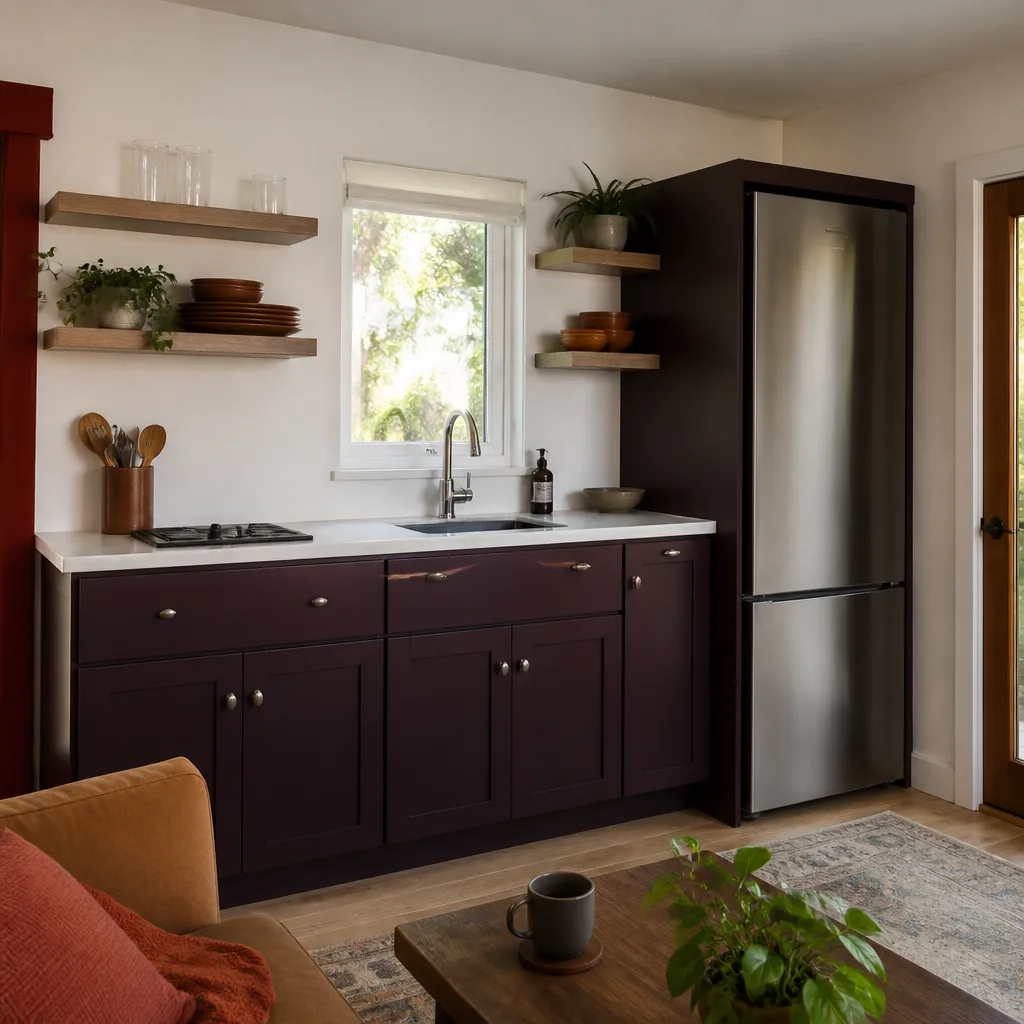
DIY on an ADU isn’t a capability question, it’s a legal-exposure question. Nevada’s owner-builder permit allows it, but Clark County’s one-year resale restriction, the licensed-trade requirement, and the appraisal paper trail make full DIY the riskiest version of the project. The hybrid model – self-performed demolition, insulation, paint, and landscaping, licensed trades on everything else – is the version that saves real money without costing you an inspection or a resale. Whichever path you pick, get the price in writing before any work starts, and make sure the workmanship guarantee covers what you’re actually buying. That’s The Kingswell Way: price before the work, crew in the window given, guarantee on paper, and a free return visit if covered work fails. Call (844) 780-4284 for a free estimate and a written line-item price on your Spring Valley lot.
Written by the team at Lodgewick ADU Builders Spring Valley.